Biomedical Data Science Innovation Lab: UVA Edition
AI-Driven Approaches to Disease Modeling, Drug, and Target Discovery
May 11-14, 2026 · Charlottesville, Virginia

BDSIL: UVA Edition
A four-day intensive academic workshop on May 11 - 14 that will spark transformative cross-Grounds collaborations between researchers in the biomedical scientists, data scientists, and engineers at the University of Virginia.

Micro Labs
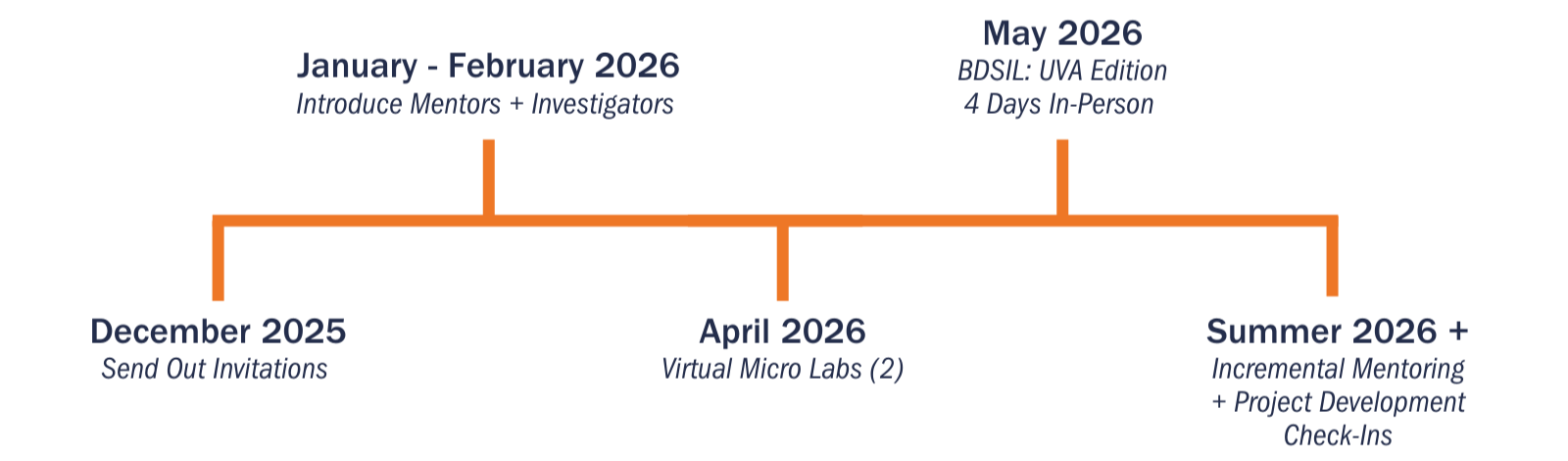
Selected Investigators will meet two times virtually before the in-person BDSIL: UVA Edition through engaging facilitated sessions on April 24 & May 1. These “Micro Labs” will allow Investigators to connect with one another and get ideas flowing to hit the ground running at the in-person event.

Expert Mentorship
Scientific Mentors will bring their experience, encouragement, and support for the benefit of the BDSIL: UVA Edition Investigators. Mentors meet with the teams as they are forming to provide feedback, guidance, and direction.

Investigator Success
Teams formed at the BDSIL: UVA Edition will generate innovative, data-driven approaches that push the boundaries of discovery and translation. Investigators will meet virtually all together at an additional Micro Lab in fall 2026. See our Past Labs page for our extensive list of previous topics, publications, and awards from our broader BDSIL program that has been sparking innovation for the last nine years.
About the BDSIL: UVA Edition
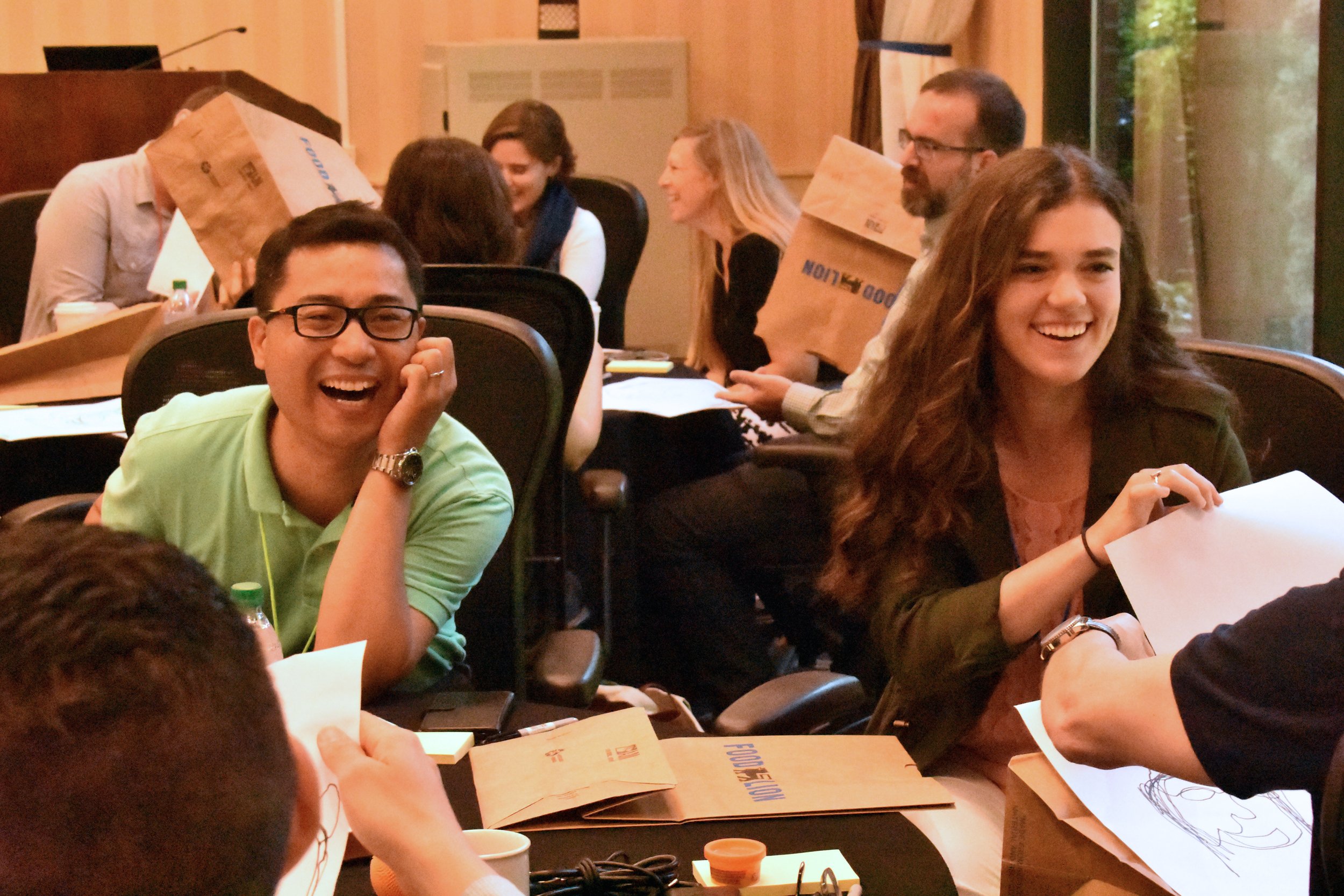
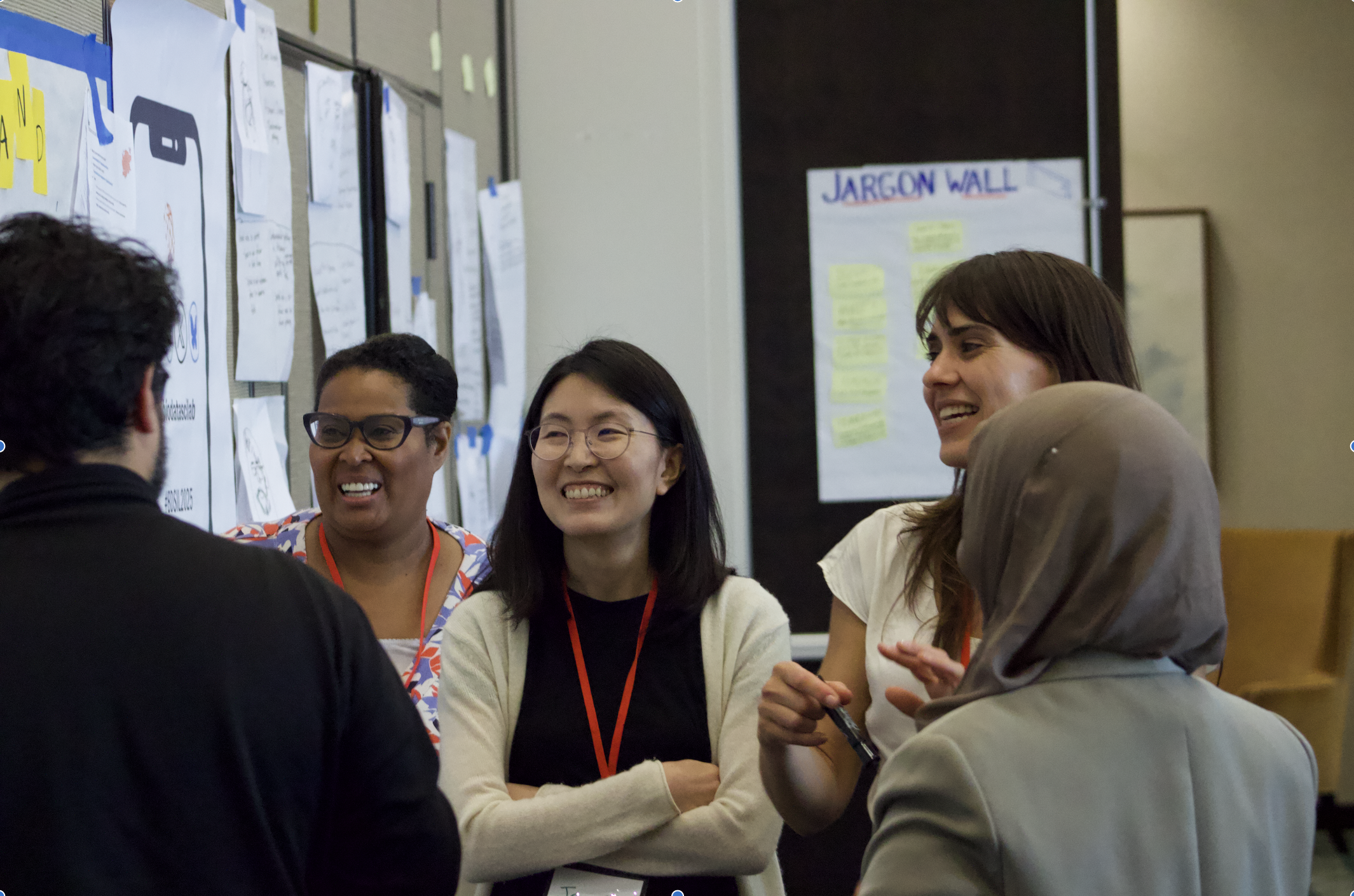
The Biomedical Data Science Innovation Lab (BDSIL) is an immersive, interdisciplinary program designed to spark transformative collaborations between researchers in the biomedical sciences and the quantitative disciplines. Through a blend of expert mentorship, structured creativity exercises, facilitated ideation sessions, and targeted grant development activities, the BDSIL equips researchers with the skills and collaborative frameworks needed to address complex scientific challenges. The program fosters an environment where diverse perspectives converge, enabling attendees to generate innovative, data-driven approaches that push the boundaries of discovery and translation. For many, the BDSIL has served as a career catalyst—providing not only the conceptual foundation for novel projects but also the partnerships and strategic direction needed for long-term research success.
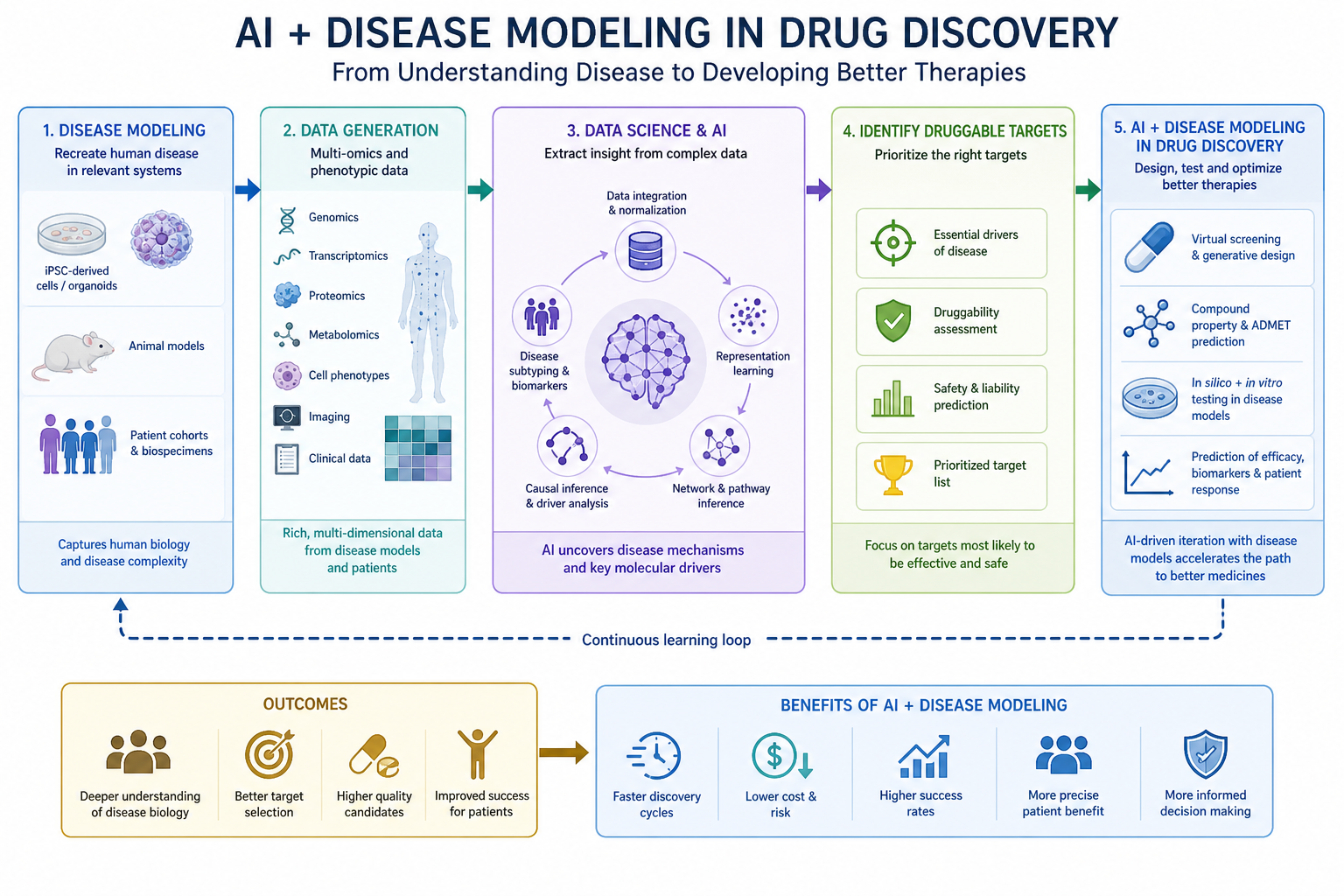
Building on this national model, we have launched the BDSIL: UVA Edition - a program specifically designed to harness the strengths of the University of Virginia’s biomedical data science research ecosystem. This locally focused initiative unites selected investigators from the UVA Department of Medicine, the School of Data Science, and the newly established Paul and Diane Manning Institute of Biotechnology. Data science approaches have become indispensable in modern drug discovery, transforming what was once a largely trial-and-error process into a more systematic, predictive endeavor. By leveraging machine learning algorithms, computational modeling, and large-scale data integration, researchers can now identify potential drug candidates more efficiently, predict therapeutic efficacy and safety profiles earlier in development, and uncover novel biological targets that would be impossible to detect through traditional methods alone. The convergence of genomics, proteomics, electronic health records, and chemical databases has created an unprecedented opportunity to accelerate the timeline from target identification to clinical application while reducing the enormous costs associated with drug development. UVA's Department of Medicine and School of Data Science are uniquely positioned to lead in this transformative field, combining world-class clinical expertise and patient populations with cutting-edge computational infrastructure and methodological innovation. The Department of Medicine brings deep domain knowledge in disease pathophysiology, access to rich clinical datasets, and direct connections to patient care that ensure research remains grounded in real-world medical needs. Meanwhile, the School of Data Science provides sophisticated analytical frameworks, expertise in artificial intelligence and predictive modeling, and interdisciplinary training that bridges computational and biological sciences. This synergy creates an ideal environment for translating data-driven discoveries into therapeutic breakthroughs that can meaningfully impact patient outcomes.
A committee will strategically invite approximately 30 leading UVA faculty members and late career post-doctoral fellows from the School of Medicine, School of Data Science, and Manning Institute to join us for a combination of virtual sessions, a culminating four-day, in-person event, and ongoing post-event follow-up sessions for continued collaborations and mentorship. The selected Investigators are expected to engage in all virtual microlabs and remain for the entire four-day event in May 2026.
During the program, under the guidance of scientific Mentors, the invited interdisciplinary teams of Investigators will work together to develop pilot research projects. Potential project topics will span a variety of dimensions, such as: Target identification using multimodal data (EHR, genomic, imaging, trial data); Generative AI for drug design and therapeutic engineering; or Translational validation (in vitro/in vivo models, causal inference, digital twins). It is anticipated that the project topics and collaborations formed during the workshop will lead to new peer-reviewed publications and/or interdisciplinary grant submissions to a range of sponsors, including NIH or NSF to further develop, refine, and test novel hypotheses.


Meet the Mentor Team
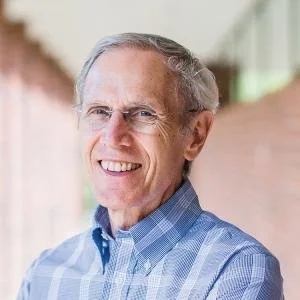
Dr. Donald Brown
Don Brown is the Founding Director of the Data Science Institute and Co-Director of the Translational Health Institute of Virginia. His research interests include data fusion, knowledge discovery, and simulation optimization. Brown has received numerous awards for his research, work, and teaching, including the Norbert Wiener Award for Outstanding Research and best undergraduate teacher from the student chapter of the International Council on Systems Engineering.
University of Virginia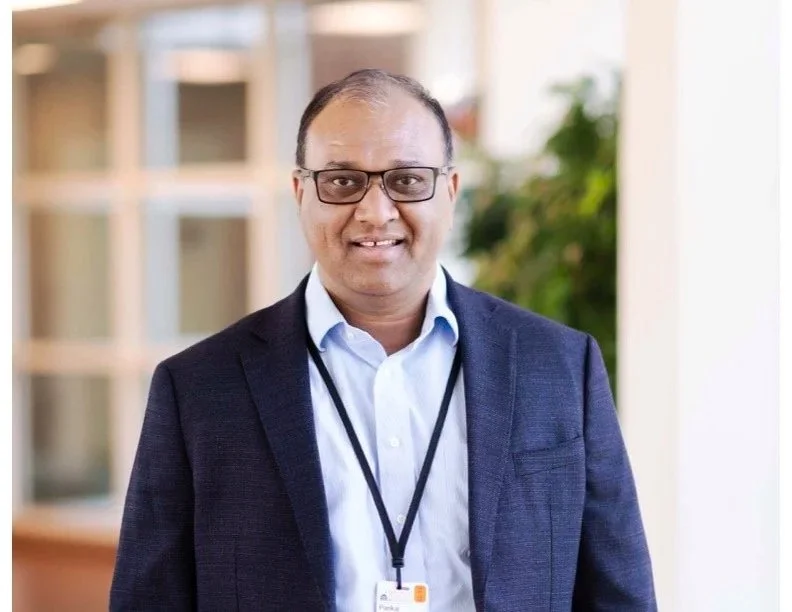
Dr. Pankaj Kumar
Pankaj Kumar is an Associate Professor in the Department of Biochemistry and Molecular Genetics at the University of Virginia. He uses computational approaches to uncover mechanisms of gene regulation in cancer and other diseases, leveraging large-scale genomic and transcriptomic datasets from consortia such as TCGA, ENCODE, All of Us, and GTEx. His work follows a data-driven, high-throughput framework that contributed to the early discovery of transfer RNA fragments (tRFs) and their regulatory roles. He has also contributed to the identification of extrachromosomal circular DNA (eccDNA) and developed the widely used Circle_finder algorithm for its detection.
University of Virginia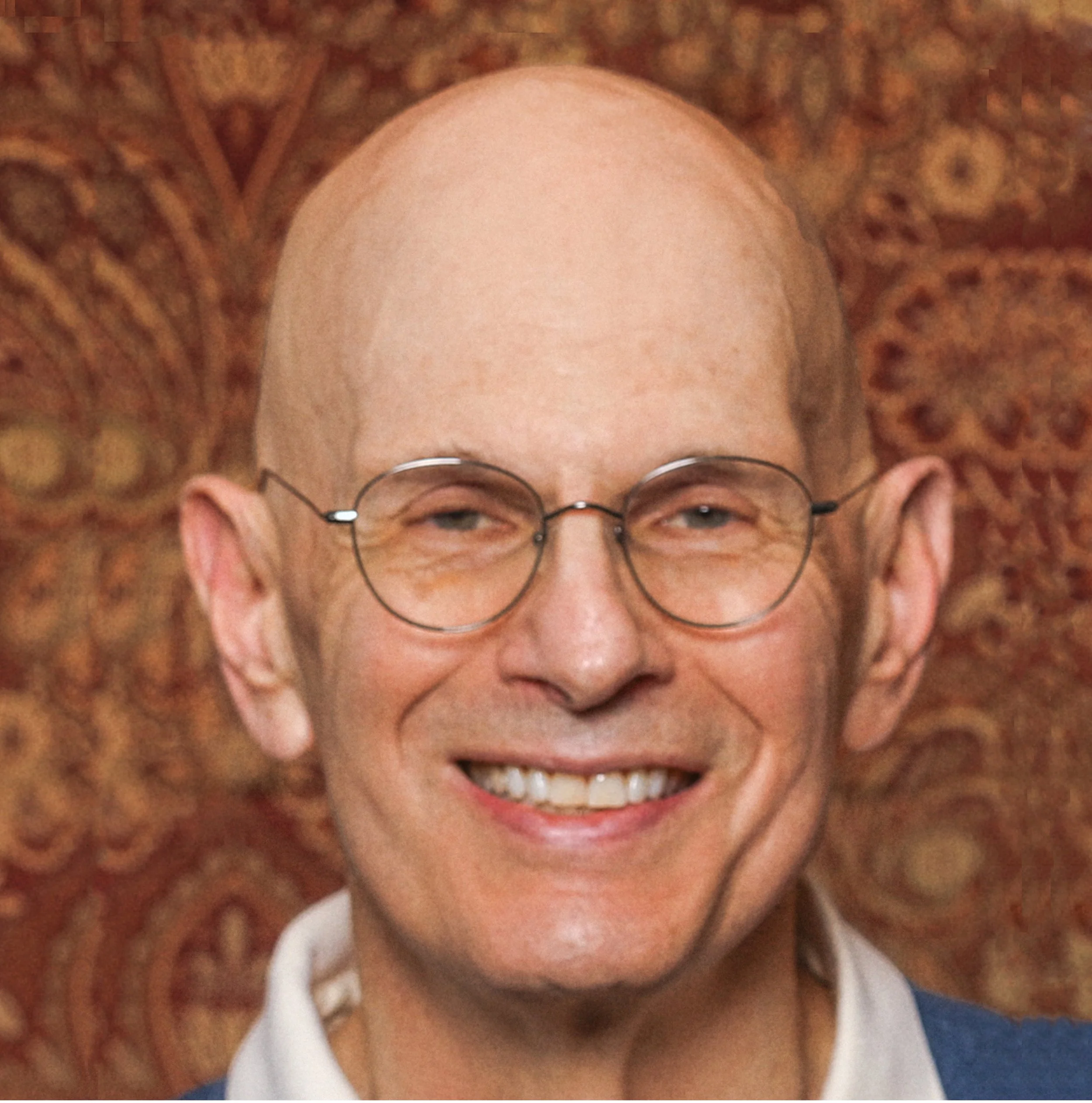
University of VirginiaDr. Richard Mailman
Richard Mailman’s science has focused on mechanisms of ligand-receptor binding and signaling, especially for dopamine receptors. One major accomplishment was his team’s basic and clinical research becoming the foundation for a breakthrough Parkinson’s disease drug that is now pending FDA review. These experiences led Mailman to be a consultant for pharma on early-phase research that has led to two other commercial drugs, one of which became the largest selling drug in the world for several years.
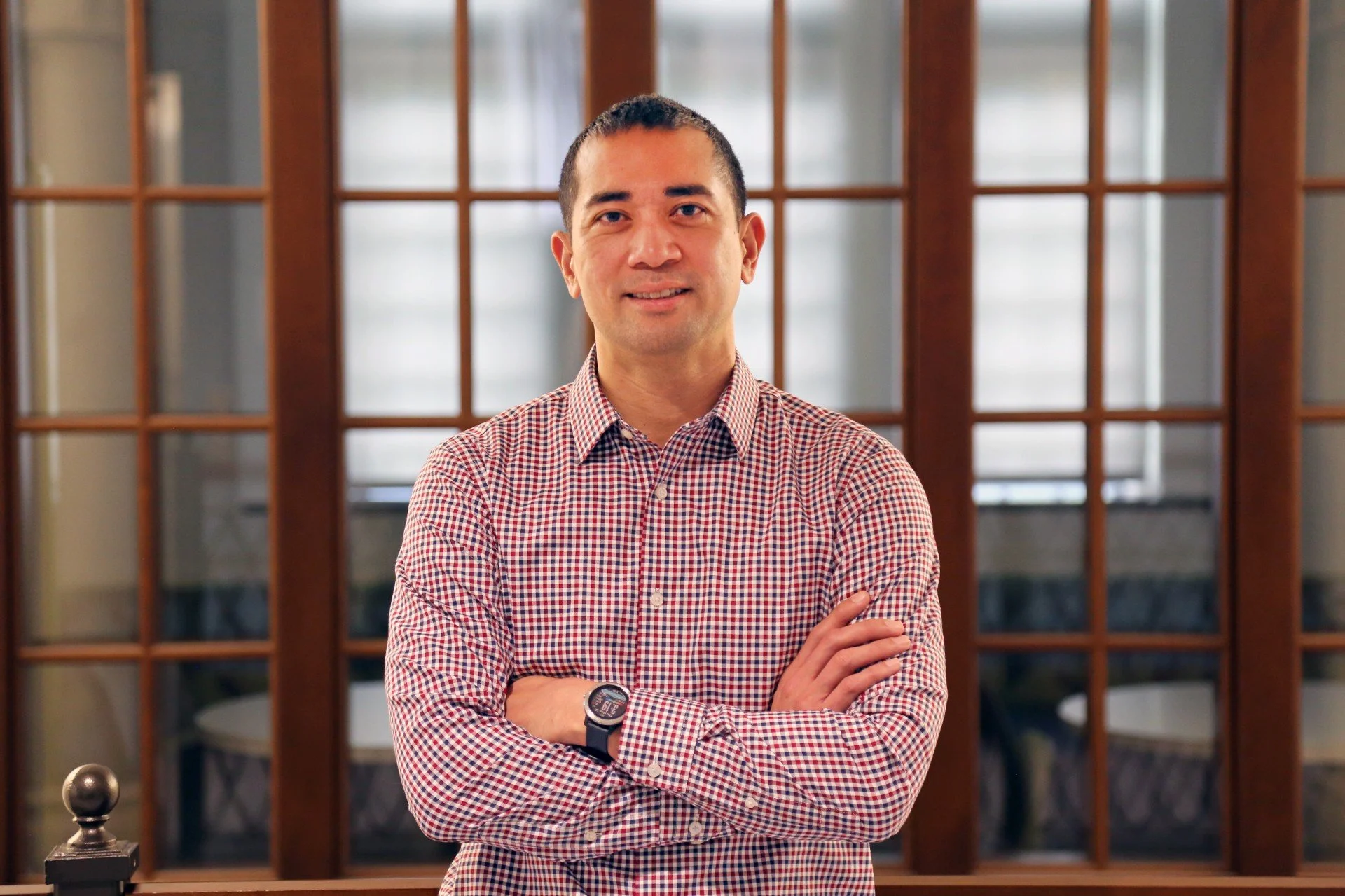
Virginia TechDr. Webster Santos
Webster Santos is a Professor of Chemistry and College of Science Faculty Fellow at Virginia Tech. He serves as the Director of the Virginia Tech Center for Drug Discovery and Chair of the Virginia Drug Discovery Consortium. He is an expert medicinal chemist with focus on small molecule drug discovery targeting lipid signaling pathway (sphingosine-1-phosphate), mitochondrial bioenergetics, and antifungal/bacterial agents. He is a dedicated translational scientist and faculty entrepreneur having co-founded several spin-off companies.
Program Structure
On April 24 and May 1, our facilitation team will host two required BDSIL kick-off events called "microlabs." Building off of one another, these virtual meetings will allow our selected investigators to get to know each other and begin formulating research ideas leading up to the in-person Lab.
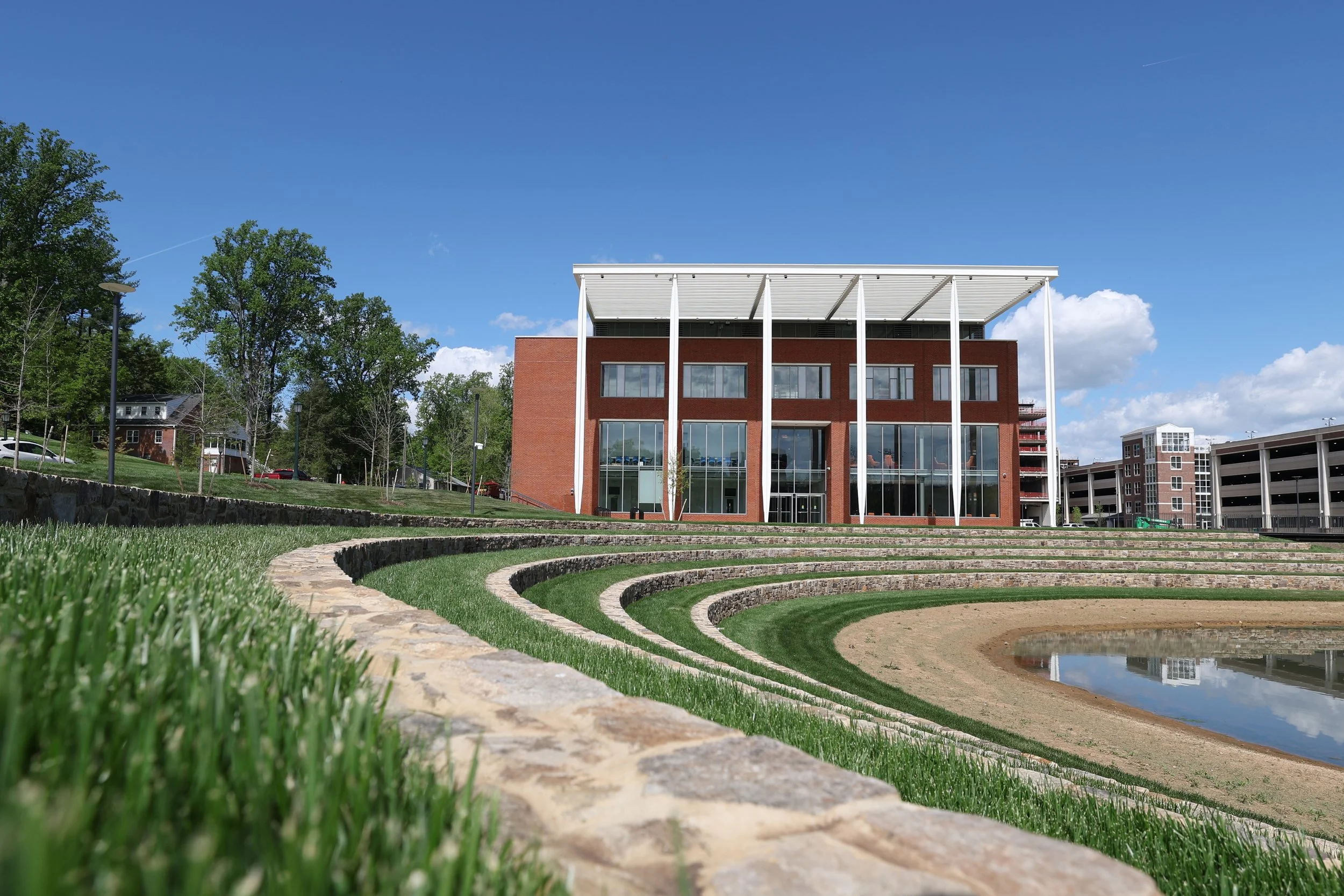
The four-day intensive in-person event will be held May 11-14, 2026 at UVA’s Morven Sustainability Lab. This retreat-style environment will provide the ideal setting for immersive working sessions, where cross-disciplinary teams will shape new, formative projects with the vision of turning them into formal, grant-funded research initiatives. By fostering deep, sustained partnerships across UVA’s biomedical and computational communities, the BDSIL: UVA Edition positions the university at the forefront of data-enabled health innovation.
Post-event, there will be periodic follow-up sessions and ongoing mentorship for the research project teams leading toward grant submissions and continued interdisciplinary research collaborations within the University of Virginia.


Questions? Please contact us.