

2027 BDSIL
Precision Cardiovascular Medicine
Data Science, Artificial Intelligence, and Collaborative Innovation
June 14 - 18, 2027 · Biosphere 2, Arizona

About the 2027 Lab
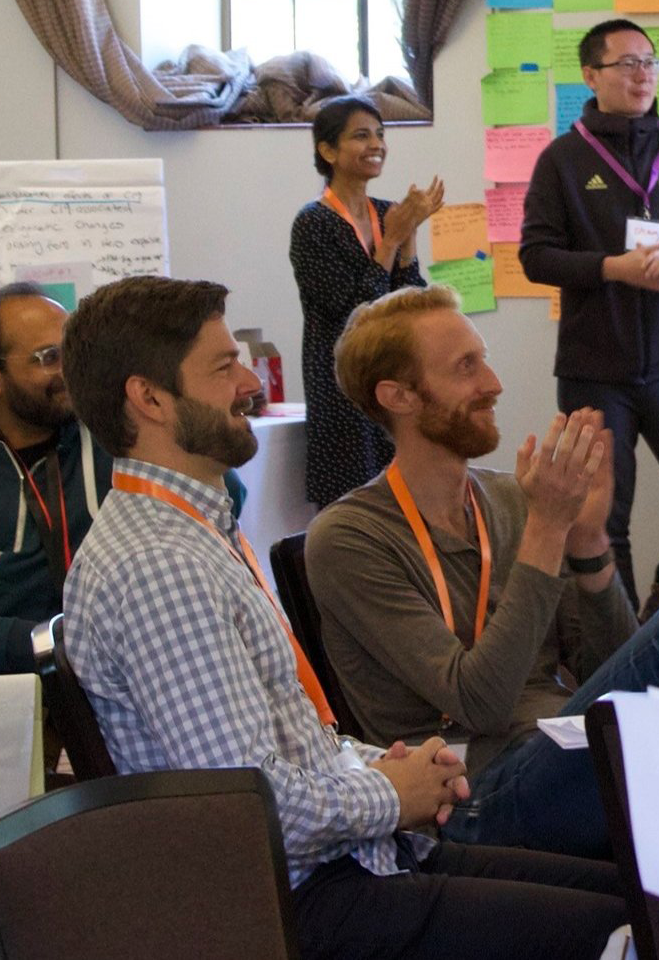
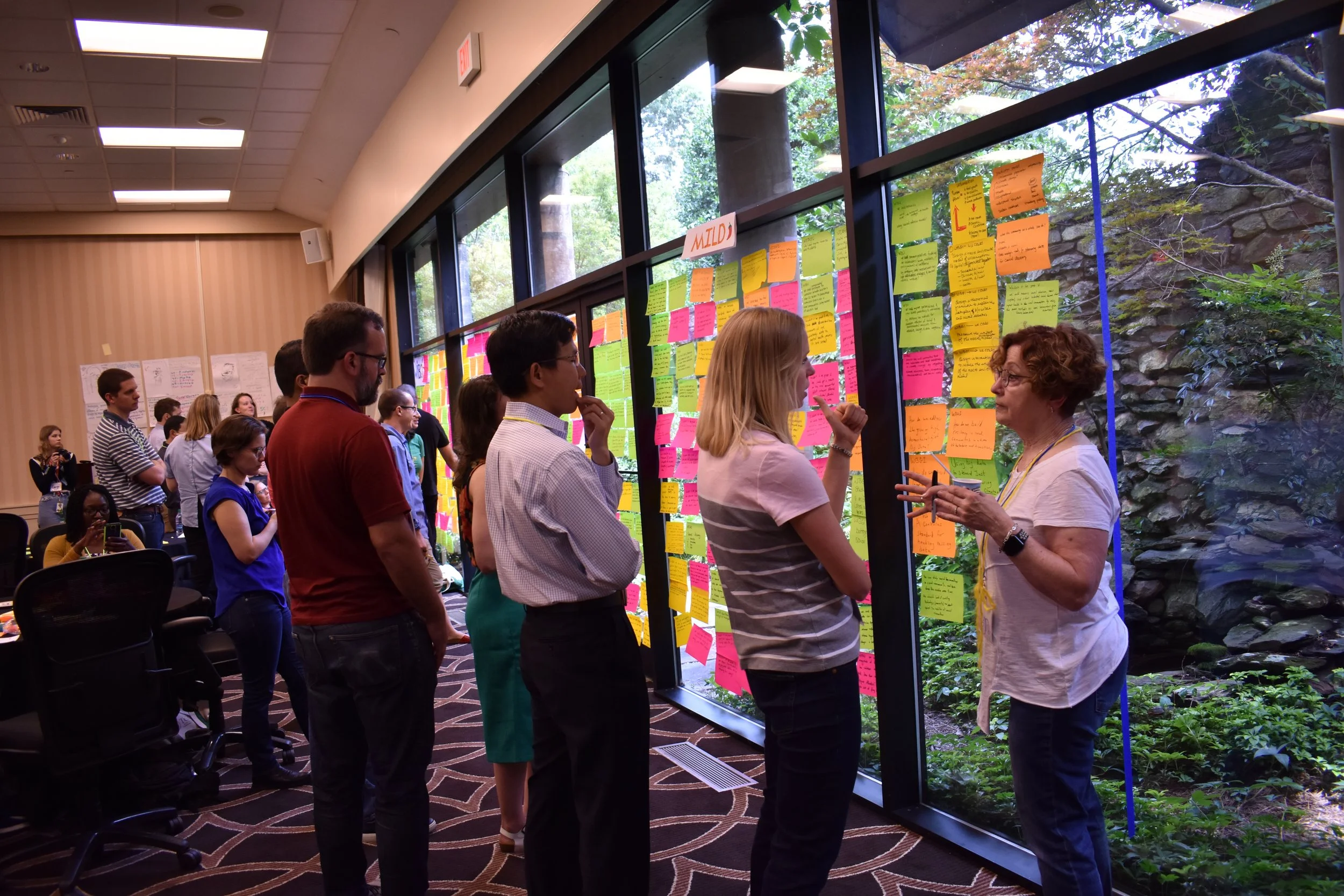
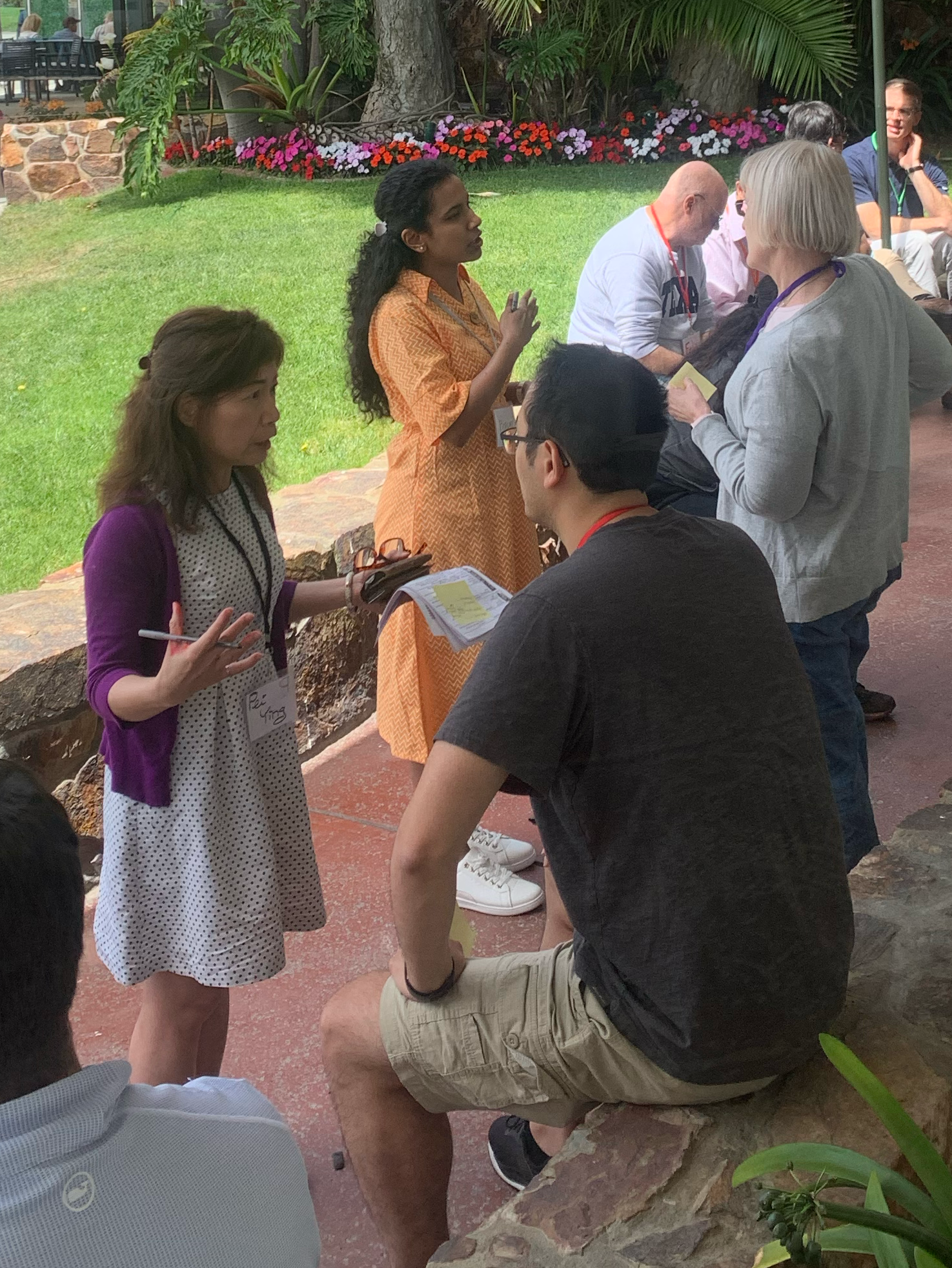
How can cardiologists, cardiovascular clinicians, and heart-health researchers work with biomedical data scientists, statisticians, engineers, and AI researchers to turn complex data into better understanding, prevention, diagnosis, and treatment of cardiovascular disease?
The goal of the 2027 Biomedical Data Science Innovation Lab (BDSIL) is to form new interdisciplinary collaborations and develop creative research strategies that apply data science, analytics, artificial intelligence, and quantitative methods to cardiovascular health. The Lab will focus on how these approaches can advance heart-health research, improve cardiovascular care, and address challenges across the lifespan.
The BDSIL will bring together quantitative and biomedical researchers whose expertise spans mathematics, statistics, computer science, engineering, basic science, clinical cardiology, surgery, and population health. Participants will explore how data-driven methods can address critical questions in cardiovascular research, from understanding disease mechanisms and predicting risk to evaluating treatments and improving patient outcomes. In particular, members of the NIH-NCATS community have often played an important role in discussions such as these and are strongly encouraged to apply.
“The knowledge and skills I gained from this training will greatly benefit my long-term career development, and the challenges I faced helped me maintain my passion for science and overcome obstacles.”
— Dr. Pei-Ying Chuang, BDSIL 2024 Participant
More about the Lab
The term “biomedical” is used broadly to include cardiovascular biology, clinical cardiology, cardiac surgery, behavioral science, epidemiology, population health, health services research, and other areas where data science can support discovery and improve heart health. The term “quantitative” encompasses applied and pure mathematics, statistics, computer science, data science, engineering, machine learning, and artificial intelligence relevant to cardiovascular research. We also seek input from clinicians on how best to teach the clinical importance of data science methods and integrate them into research, educational curricula, and cardiovascular practice.
Potential BDSIL research projects may address a range of cardiovascular questions. Teams might combine electronic health records, imaging, genomics, electrophysiology, wearable-device measurements, and social or environmental data to improve risk prediction or support precision cardiovascular medicine. They might use machine learning to identify disease subtypes, model treatment response, or better understand heart failure, arrhythmias, coronary artery disease, and congenital heart disease. Other projects might examine outcomes of cardiac surgery and transplantation, improve donor-recipient matching, predict rejection, or use clinical-trial and multi-site data to identify effective interventions. Collaborations formed during the Lab are expected to support peer-reviewed publications and NIH, NSF, or other grant proposals that develop, refine, and test new research ideas. These efforts may reveal new insights into cardiovascular disease and help lay the groundwork for better prevention, diagnosis, treatment, and patient outcomes.

The BDSIL is an extended hybrid program featuring online team-building activities, scientific and mentor presentations, and guest lectures. It will culminate in a five-day, in-person intensive event in June 2027 at Biosphere 2 in arizona.
Virtual Microlabs
May 21 • june 4
2 - 4 PM ET
In May and June 2027, our team will host two virtual BDSIL kick-off events, or “microlabs.” These meetings will give selected participants an opportunity to get to know one another and begin developing research ideas before the in-person Lab.
June 14 - 18, 2027
biosphere 2, arizona
During the workshop, scientific mentors will guide interdisciplinary teams as they develop pilot projects addressing cardiovascular research challenges and the data science, analytics, AI, and quantitative methods that can help address them. Learn more about the BDSIL definitions and roles.
Application Procedure
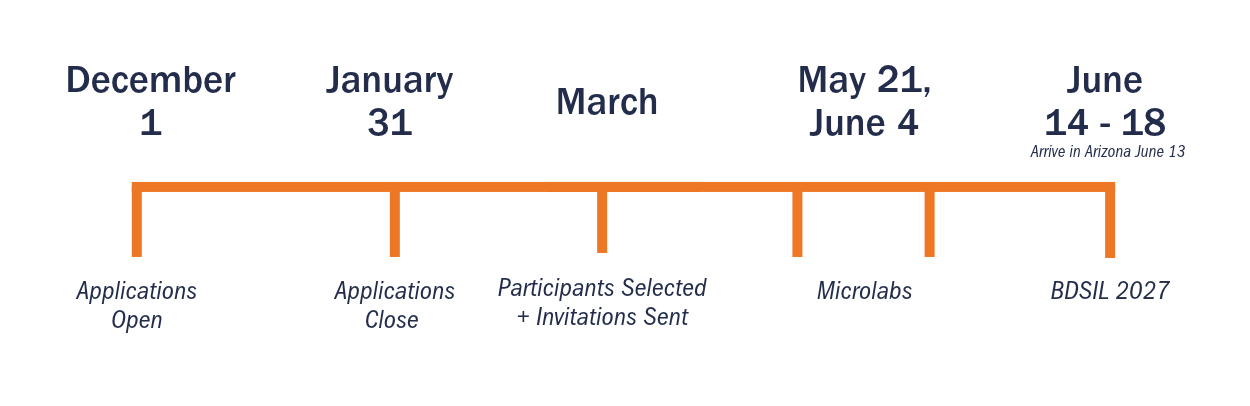
The application period is december 1, 2026 - january 31, 2027.
To be eligible, candidates must be at least 18 years of age and U.S. citizen or a permanent resident at a U.S. institution. Applicants must work in either quantitative and data sciences or biomedical fields, with an interest in cardiovascular health and the use of data science, analytics, or AI in research and care. Prior experience working at the intersection of biomedical and data science is not required. Candidates must be late-stage postdoctoral researchers or early-stage junior faculty. The application will ask candidates to describe their background, interest in cardiovascular biomedical data science, research contributions, and commitment to collaborative and team science. We welcome applicants with expertise in clinical cardiology, cardiac surgery, cardiovascular biology, data science, computer science, engineering, epidemiology, and population health. Women and members of underrepresented scientific communities are strongly encouraged to apply.
Quantitative and data science researchers should describe the data science approaches, methods, and techniques they use and how these could be applied to cardiovascular research. Relevant expertise may include statistical analysis, mathematical and computational modeling, machine learning, AI, data integration, predictive analytics, and data visualization. Investigators with experience using software and visualization platforms such as Python, R, MATLAB, C/C++, Tableau, and 3D visualization or animation tools are encouraged to apply.
Biomedical researchers should highlight their experience using data in basic, translational, or clinical research, including clinical trials, multi-site studies, registries, imaging, electronic health records, wearable devices, or population-level research. Faculty involved in cardiovascular research workshops, mentorship programs, T32 programs, and other major training awards are encouraged to share relevant teaching materials.
Click on the boxes below to learn more about our suggested areas of expertise.
-
"Biomedical" expertise can involve but are not limited to:
Young investigators working at all levels of basic, experimental, and clinical genomics should consider applying. Their work across the spectrum of cardiology and heart health will provide biological and clinical expertise in interventional cardiology, clinical cardiac electrophysiology, heart failure and transplant cardiology, nuclear cardiology, adult congenital heart disease, pediatric cardiology, echocardiography, cardiovascular imaging, etc. The richness of these datatypes are an important element in data science applications. Importantly, people with the following areas of expertise are of interest:
Basic and Clinical Neuroscience
Behavioral and Life-Style Factors
Bioethics
Biology
Clinical Research
Environmental Health
Cardiac Illness Epidemiology
Medical Informatics
Public Health
Population-Level Science
University-Level Medical Education
-
Item description
"Quantitative" expertise can involve but are not limited to:
Data and computationally-focused late-stage post-doc or early-stage junior faculty level investigators having research questions in novel quantitative methods, data analytics, statistical modeling, machine learning, and data visualization. This is important since spatial multi-omics depends upon massive quantities of regionally-specific data from the body. Facility with advanced mathematics, programming languages, and high-performance computing are particular areas of strength we wish to engage. These areas also include:
Applied Mathematics
Artificial Intelligence
Biostatistics
Computer Science
Data Science
Natural Language Processing
Pure Mathematics
Quantification of Health Disparities
Applicant review will be rigorous, and not all candidates will be selected. Particular emphasis will be placed on applicants who demonstrate a strong commitment to collaborative and team science and a record of high-impact peer-reviewed research. A committee will select approximately 30 participants. Travel and lodging expenses will be fully covered for selected candidates, who are expected to take part in all virtual microlabs and attend the full five-day event in June 2027.
Questions? Please see our FAQs or contact us.

"I made so many great connections and left bursting with energy."
— Dr. Chelsea Marie Braun, 2023 BDSIL Participant